
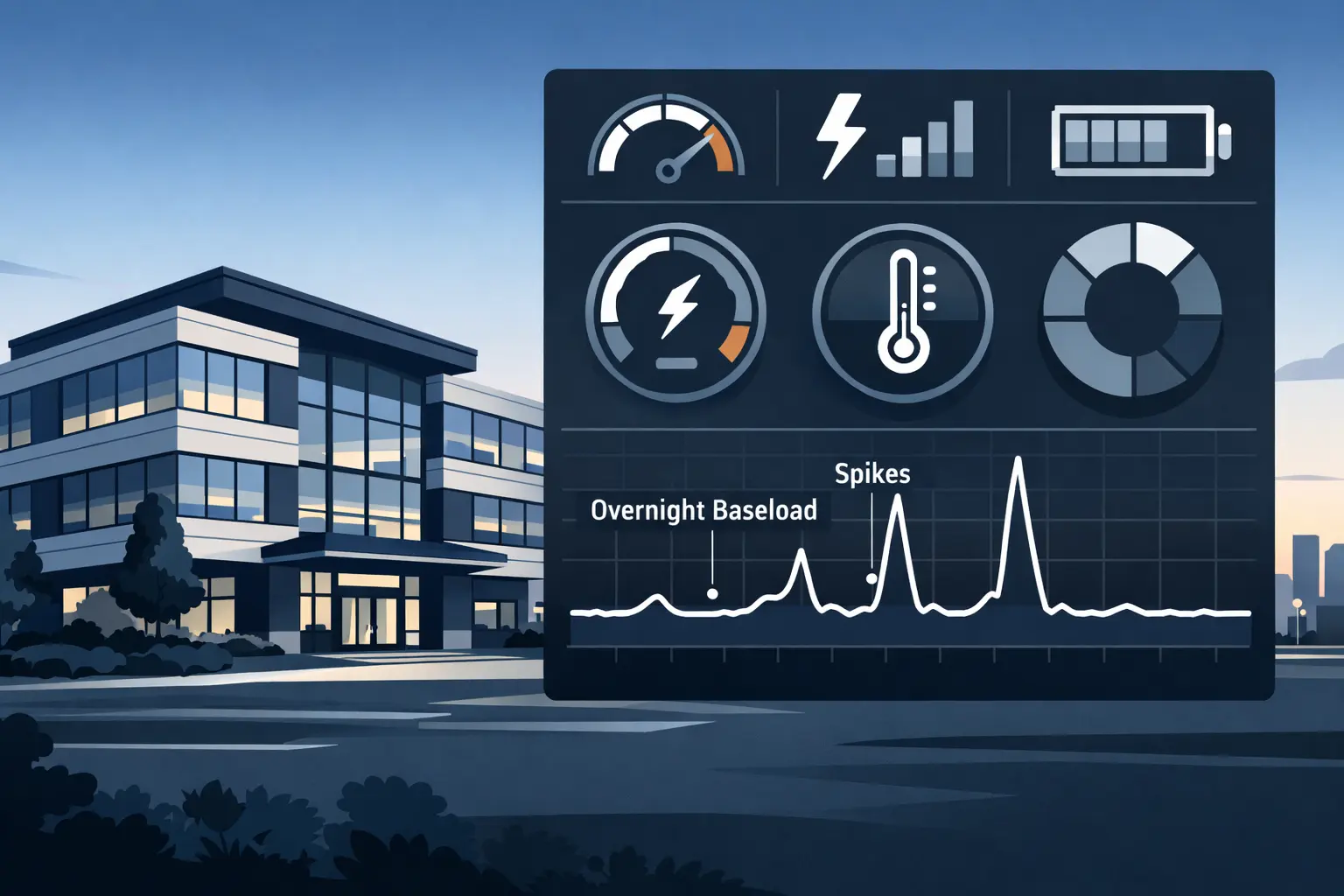
Energy bills don’t always rise because “prices went up”. Very often, the biggest leaks are hidden in your consumption patterns — small signals that quietly repeat every day. Catch these seven, and you can usually unlock quick wins without major capex.
1) Overnight Baseload Won’t Drop
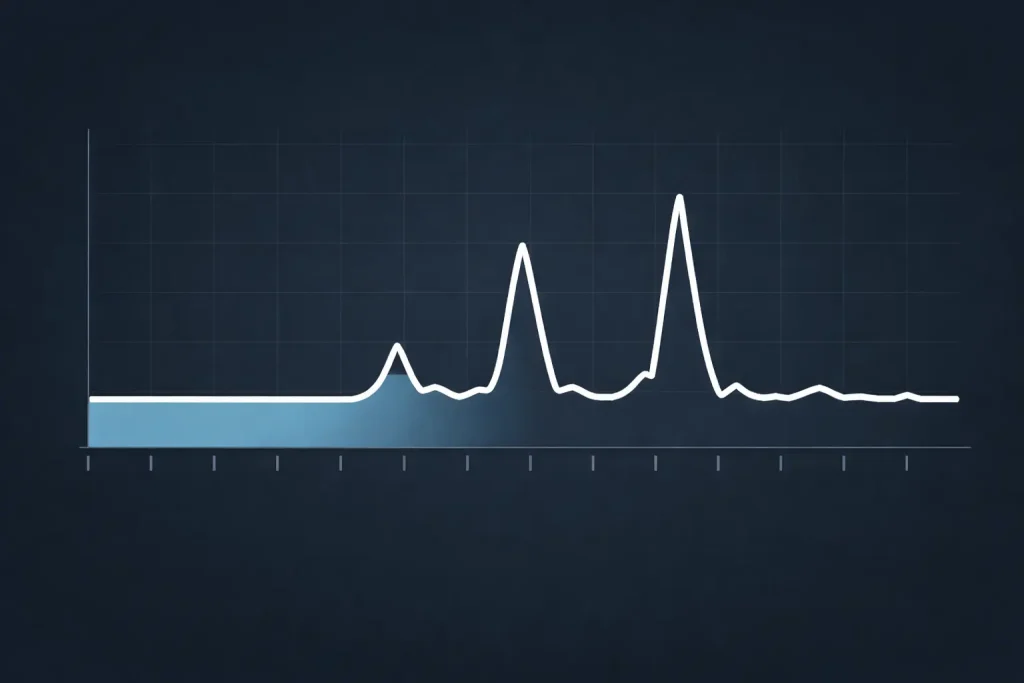
What you’ll see: After closing time (e.g., 11pm–5am), your usage line stays stubbornly flat and higher than expected.
Why it matters: Lighting, plug loads, ventilation, compressors, pumps, hot water or heating left running can add up fast when the building is empty.
Quick fix: End-of-day shutdown checklist + timers/smart plugs for obvious culprits.
Long-term fix: Sub-meter by zone/circuit and set an “overnight target” KPI (kWh/night).
2) Repeat Spikes at the Same Times
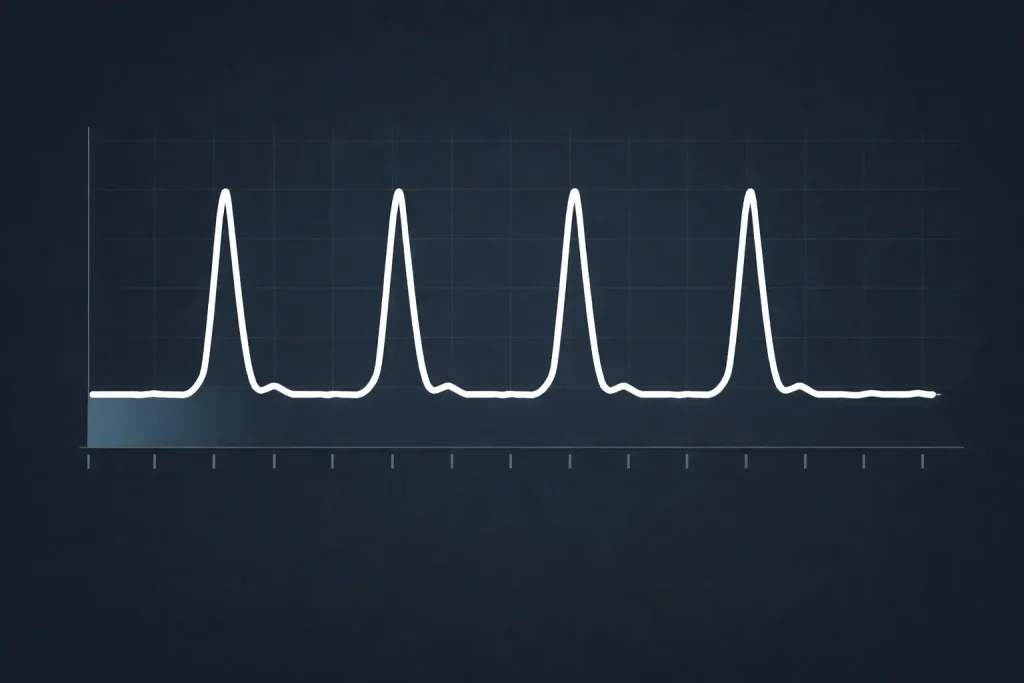
What you’ll see: Sharp “teeth” on the chart at similar times each day.
Why it matters: Too many loads starting at once, misconfigured controls, or equipment drifting towards failure can create unnecessary peaks.
Quick fix: Stagger start-ups (don’t let everything kick in at 8:00 on the dot).
Long-term fix: Add circuit-level visibility so you can answer “what caused that spike?” in minutes, not weeks.
3) A Big Gap Between Average and Maximum Demand
What you’ll see: Your average use looks fine, but you get occasional huge peaks.
Why it matters: Those peaks can drive higher charges (depending on your tariff) and often signal poor load planning.
Quick fix: Shift non-urgent loads to off-peak or spread them across the day.
Long-term fix: Track your load factor and align major loads with operations planning.
4) Heating and Cooling Fighting Each Other (HVAC Clash)
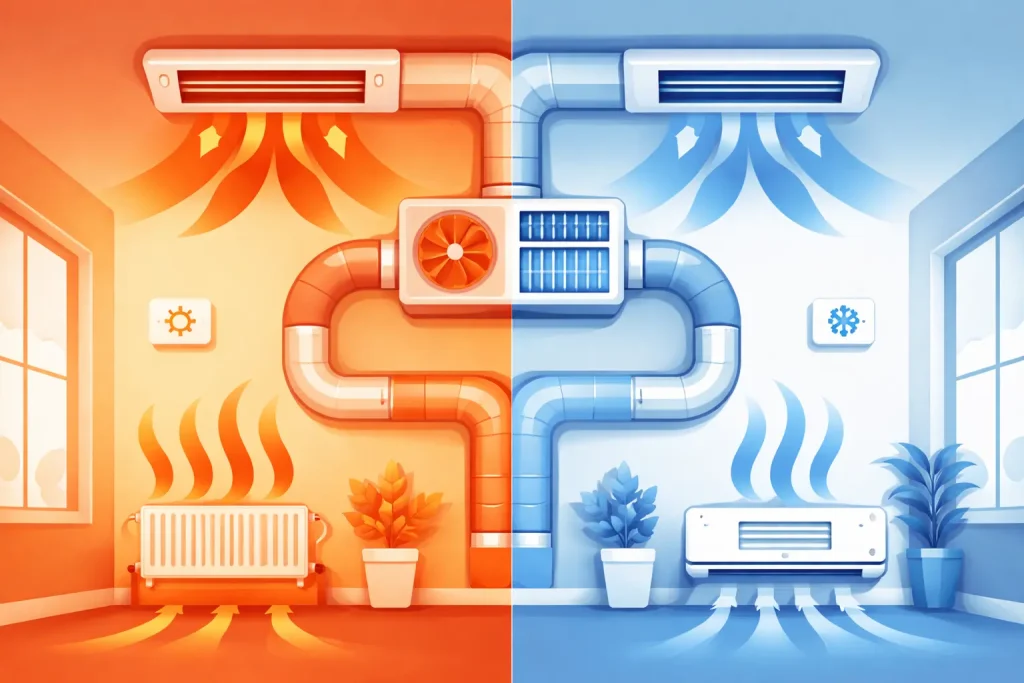
What you’ll see: Heating and cooling consumption rising in the same periods — some zones heating while others cool.
Why it matters: This is one of the most expensive forms of waste: systems literally undoing each other’s work.
Quick fix: Check setpoints, schedules and seasonal changeover settings (spring/autumn are prime time for this).
Long-term fix: Add lockout logic in your BMS, review zoning, and use door/window contacts where appropriate.
5) Equipment Running “Idle”
What you’ll see: Fans, pumps, compressors or process kit cycling even when production/occupancy is low.
Why it matters: Leaks (air/water/steam), incorrect pressure bands, stuck valves or poor controls keep systems working for no output.
Quick fix: Leak checks and setpoint review (especially compressed air).
Long-term fix: Correlate runtime vs output: create alerts for “it ran, but it didn’t deliver useful work”.
6) Poor Power Factor (Reactive Charges / Penalties)
What you’ll see: Extra charges, warnings, or consistently poor cosφ/power factor indicators.
Why it matters: You may be paying for inefficient reactive demand — and it often points to specific equipment issues.
Quick fix: Have a qualified electrician check power factor correction equipment and settings.
Long-term fix: Monitor power factor trends by circuit so you can pinpoint the worst offenders (old motors, drives, failing components).
7) “Small” Loads That Add Up
What you’ll see: Lighting, small power, DHW (domestic hot water) or auxiliary systems look minor individually — but together form a big slice.
Why it matters: Many organisations lose money through a thousand small leaks rather than one obvious problem.
Quick fix: LED upgrades, occupancy/daylight sensors, tighter time schedules.
Long-term fix: Set area targets (kWh/m²) and review weekly so drift is caught early.
A 15-Minute Mini Audit (Do This Today)
- Look at the last 14 days: do you have an overnight baseload that’s too high?
- Mark your top 3 spikes: what was running at those moments?
- Check HVAC: any evidence of simultaneous heating and cooling?
- Compare “busy” vs “quiet” days: does usage actually fall when operations slow?
FAQs
What data do I need to spot hidden energy waste?
Hourly consumption data is enough to start. You’ll get much better results with sub-metering by circuit/zone and basic labelling (HVAC, lighting, process loads).
Which signal usually delivers the fastest savings?
For many sites, overnight baseload and HVAC clashes produce the quickest wins—often within the first month—because they’re repeat wastes.
Do I need an energy management platform to do this?
Not strictly. But as soon as you have multiple meters and lots of moving parts, a structured platform makes it much easier to spot patterns, assign actions, and prove savings.
Does turning the kettle off at the wall save electricity?
Yes—a little. If your kettle (or its base) has a standby light/clock, switching it off at the wall stops that tiny “vampire” draw; otherwise the saving is basically zero.