
You wake up to that familiar winter feeling: the window’s cold to the touch, the air in the hallway has a bite, and the heating choice suddenly feels like a budget decision. Do you turn it on now… or “just wait a bit”?
A friend once told me they tried to “tough it out” in their first UK winter, only to end up working in a coat indoors and still getting a shock energy bill. The curiosity is this: why do winter heating costs jump so much in the UK — and what actually makes the biggest difference when you’re trying to stay warm without overspending?
Turning your thermostat down by 1°C and using a timed schedule are two of the simplest ways to cut winter heating costs without major upgrades.
Below is a UK-focused, practical guide with quick answers, realistic examples, and renter friendly ideas.
Why do winter heating costs rise so sharply in the UK?
Winter heating costs rise mainly because your home needs more energy to hold a comfortable temperature when it’s cold outside — and many UK homes lose heat faster than people expect.
What actually pushes bills up: prices or usage?
For many households, winter usage is the bigger culprit than people realise. Even if the unit price stayed the same, bills often climb because:
- Your boiler/heat pump runs for longer hours
- Hot water use can increase (more showers, more laundry)
- You spend more time at home (especially students and remote workers)
- Older flats and terraced houses may have draughts, single glazing, or limited insulation
Does the Ofgem price cap stop bills from rising?
Not exactly. The energy price cap limits the unit rates and standing charges on standard variable tariffs — it doesn’t cap your total bill. If you use more energy, you pay more.
Winter bills usually rise because homes need more heat for longer — and the price cap limits rates, not your total spend.
How much might winter heating costs be in the UK in 2026?
A helpful reference point is the Ofgem price cap “typical household” figure — but your actual winter heating costs will vary by region, home type, and how you heat your home.
What’s the current UK benchmark?
Between 1 January and 31 March 2026, Ofgem says the price cap is £1,758 per year for a typical dual-fuel household paying by Direct Debit.
Ofgem’s “typical use” is often referenced as roughly 2,700 kWh of electricity and 11,500 kWh of gas per year — useful as a comparison point if you’re trying to sanity-check your bills.
Why your number can be very different
In real life, costs can swing widely depending on things like:
- Where you live: standing charges and regional rates vary across Great Britain
- Your property: a top-floor flat vs a draughty Victorian terrace can feel like different climates
- How you pay: Direct Debit vs prepayment meter can change rates
- Your household: a family at home every evening will use more than a single person out most days
- Comfort needs: health, childcare, and working-from-home needs may require higher indoor temperatures
A quick “common sense” lens:
- If your home is smaller and well insulated, winter heating costs may be manageable even with regular heating.
- If you’re in a poorly insulated rental with electric heaters, winter costs can climb quickly.
The price cap offers a useful benchmark (£1,758/year for typical dual fuel on Direct Debit), but your winter heating costs depend heavily on your home, location, and lifestyle.
How can you reduce heating costs in winter without living in a hoodie indoors?
If you’re wondering how to reduce heating costs in winter, the best wins usually come from: smarter controls, stopping heat loss, and heating the rooms you actually use.
What’s the fastest “big impact” change?
Use heating controls properly (even if you can’t change the boiler). Small adjustments can add up.
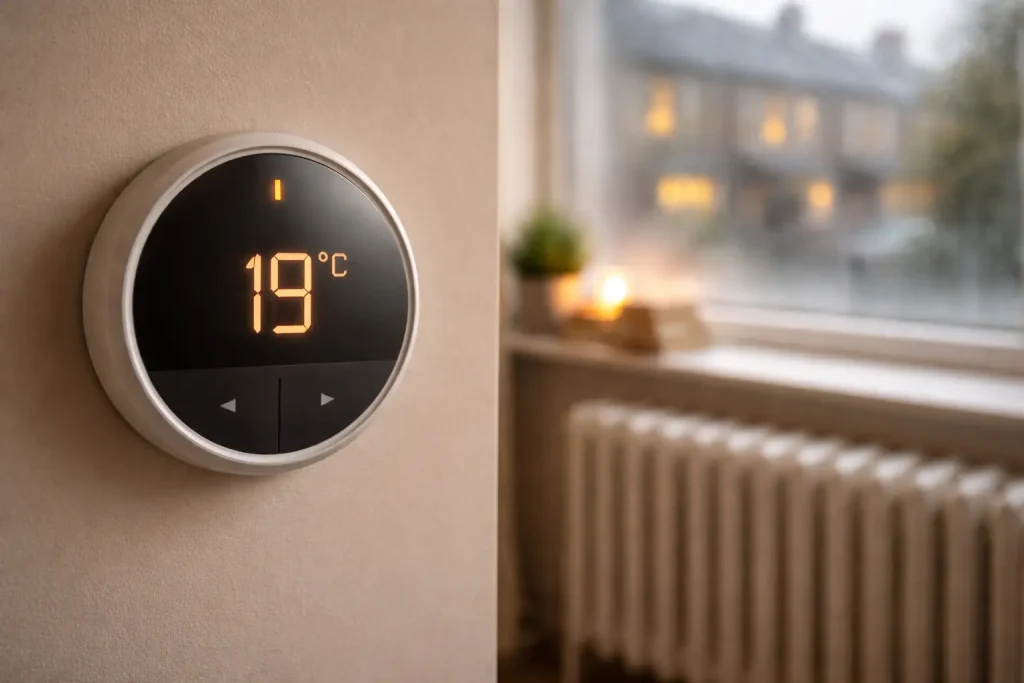
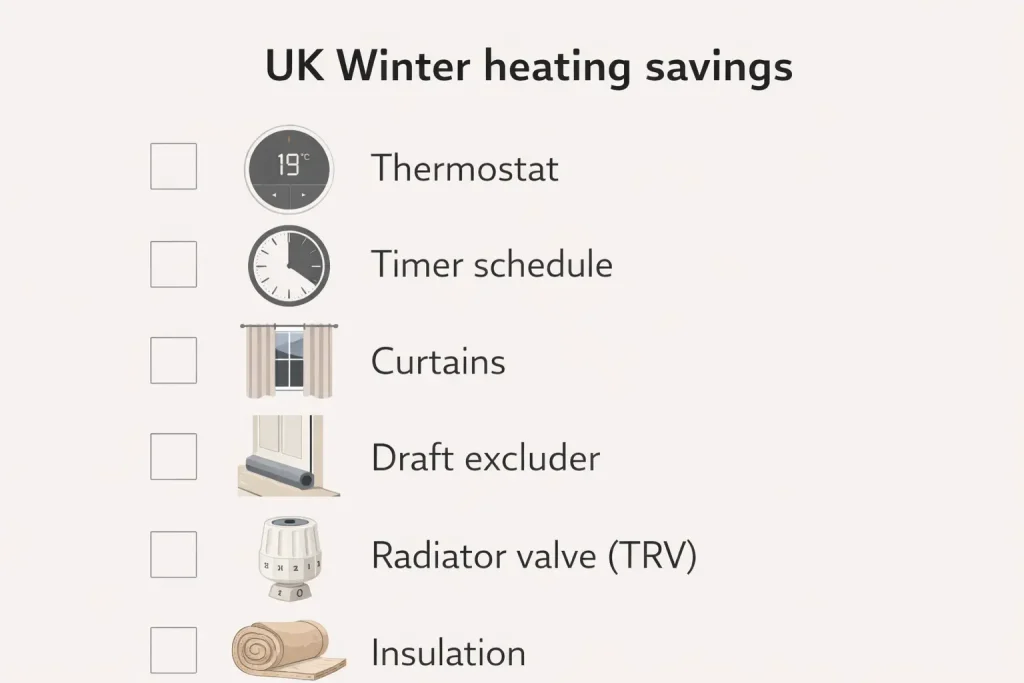
- Turn the thermostat down by 1°C if you can do it comfortably. The Energy Saving Trust estimates this could save around £90/year in Great Britain (typical home).
- Set a schedule instead of manually blasting the heating. Heating an empty home is one of the easiest ways to overspend.
- Use radiator valves (TRVs) to heat bedrooms less during the day and focus warmth where you spend time.
What if you’re renting and can’t retrofit anything?
You still have options that are usually low-cost and landlord-friendly:
- Draught-proofing strips for doors and windows (removable)
- Thick curtains (close at dusk; avoid covering radiators)
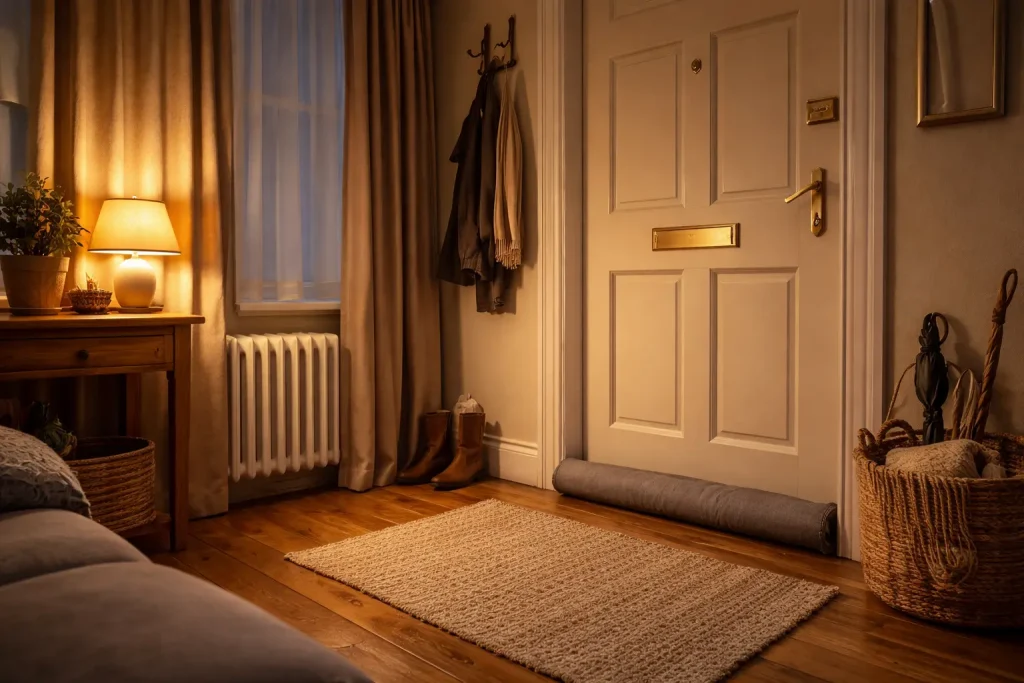
- Door snakes for draughty gaps
- Rug layers on bare floors (common in some flats)
- Reflective radiator panels (use proper products rather than risky DIY “hacks”)
What should you avoid (even if TikTok loves it)?
Some viral “heating hacks” can be ineffective or unsafe — for example, using ovens to heat rooms or DIY candle heaters. If you’re trying to cut costs, it’s better to focus on proven measures and safe habits.
The most reliable ways to reduce heating costs in winter are better controls (timers/TRVs/thermostat tweaks) and stopping draughts — especially in rentals.
What is the cost to run a heat pump in winter, and how does it compare to gas?
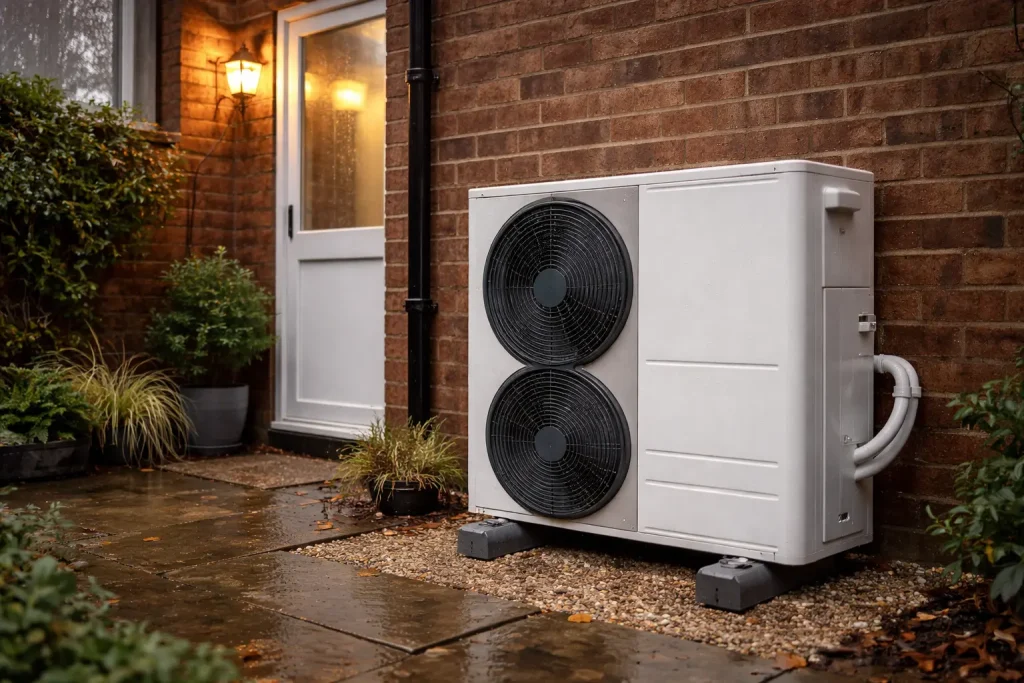
The cost to run a heat pump in winter depends on electricity prices, your home’s heat demand, and the heat pump’s real-world efficiency in colder weather.
Do heat pumps get less efficient in winter?
Yes, generally. Heat pumps work harder when it’s colder outside, so efficiency can drop in winter. That’s why you’ll often see a Seasonal Coefficient of Performance (SCoP) / Seasonal Performance Factor (SPF) used to describe average efficiency over the year.
A simple way to estimate your winter running cost
A rough method (not a quote, just a planning tool):
- Estimate your home’s heat demand (kWh)
- Divide by your SPF (typical installations vary)
- Multiply by your electricity unit rate
So if a home needs 12,000 kWh of heat and the heat pump averages SPF 3, it might use about 4,000 kWh of electricity for that heat — then your tariff determines the cost.
Is it always cheaper than gas?
Not always. Heat pumps can be cost-competitive, especially in well-insulated homes with lower flow temperatures and good controls, but outcomes vary by property and tariff. Energy Saving Trust guidance also emphasises that real-life performance depends on conditions and system setup.
Are there grants to help with switching?
In England and Wales, the Boiler Upgrade Scheme offers grants up to £7,500 towards air source and ground source heat pumps (eligibility rules apply).
Heat pumps can cost less to run in winter for some homes, but performance and bills vary with insulation, controls, and tariffs. If you’re eligible, grants can reduce upfront costs.
What support and “good habits” help most during a UK winter?
If winter bills feel tight, focus on safe warmth, targeted heating, and checking what help you can access — especially if you’re a student, renter, or on a lower income.
What indoor temperature is usually recommended for health?
UK health advice commonly suggests heating rooms you regularly use to at least around 18°C, especially for people who are older, have health conditions, or are less mobile.
Quick habits that often reduce waste (without guilt)
- Heat people + zones, not the whole home: living room evenings, bedroom before sleep
- Keep doors closed to unheated rooms
- Don’t block radiators with sofas or drying racks
- Bleed radiators if cold at the top (if you’re confident and it’s safe to do so)
- Check whether you’re on the best payment method (Direct Debit is often cheaper than pay-as-you-go)
A UK “real life” example
If you’re in a Band B–D council tax area in a typical rented terrace, your biggest winter swing might come from how long you heat (schedule) and how much heat escapes (draughts/curtains), rather than one dramatic gadget purchase.
Aim for safe warmth (often ~18°C in used rooms), heat the spaces you live in, and reduce waste through small routine changes — especially in rentals.
FAQ: Winter heating costs in the UK (quick answers)
Is it cheaper to leave the heating on low all day in the UK?
Usually, no — especially in homes that lose heat quickly. A timed schedule often wastes less energy than constant heating, though some well-insulated homes and certain systems may behave differently.
What temperature should I set my thermostat to in winter?
Many households find 18–21°C comfortable, and health guidance often mentions 18°C for rooms you use regularly (higher for vulnerable people).
How can renters reduce winter heating costs without changing the boiler?
Focus on draught-proofing (removable strips), thick curtains, zone heating with TRVs, and better schedules. These are usually low-cost and reversible.
Do heat pumps work well in UK winters?
In many cases, yes — but efficiency can drop in colder weather, and outcomes depend on insulation, system design, and controls.
What’s the cost to run a heat pump in winter compared to gas?
It varies. A heat pump’s running cost depends on electricity prices and real-world efficiency (SPF/SCoP). In a well-insulated home, it may be competitive; in a leaky property on a costly tariff, it may not be.
What’s the Ofgem price cap right now?
For 1 January–31 March 2026, it’s £1,758/year for a typical dual-fuel household paying by Direct Debit — but your bill depends on usage.
Winter heating costs in the UK rise mainly because homes need more energy for longer periods, and many properties lose heat through draughts and limited insulation. The Ofgem price cap (1 January–31 March 2026) is £1,758/year for a typical dual-fuel household on Direct Debit, but your actual bill depends on how much energy you use. The most practical ways to cut costs are using heating controls well, reducing heat loss, and heating the rooms you actually live in. Heat pump winter running costs vary with electricity prices, insulation, and real-world efficiency (SPF/SCoP), so it’s worth estimating based on your home.
Final Thoughts
Winter heating costs in the UK usually increase because you use more energy, not because your bill is “capped”. The Ofgem price cap limits unit rates and standing charges on standard tariffs (not total spend), and for 1 January–31 March 2026 it’s set at £1,758/year for a typical dual-fuel household on Direct Debit. To reduce heating costs in winter, focus on heating controls (timers/TRVs), turning the thermostat down slightly if comfortable, and stopping draughts. Heat pump winter running costs depend on your home’s heat demand, your tariff, and real-world efficiency, which can dip in colder weather.
Feel free to share your own UK winter setup (flat/terrace, gas boiler vs heat pump, working-from-home or not) and what actually made the biggest difference to your bills.