
Rents creep up, energy bills refuse to calm down, and a quick trip to the supermarket somehow costs more each month. For many people across the UK, that quiet worry sits in the background: how do we keep up if prices keep rising? It’s no surprise, then, that searches for cost of living payment 2026 are already gaining momentum.
In previous years, cost of living support helped millions manage rising costs. Naturally, people are curious — will there be Cost of living payments 2026, who might qualify, and how useful could they really be in day-to-day life? This guide walks through what’s currently known, what’s likely, and how these payments typically fit into the wider cost of living picture in the UK.
What is the cost of living payment 2026 likely to be?
The cost of living payment 2026 refers to potential government financial support aimed at helping households cope with higher everyday expenses, such as energy, housing, food, and council tax. While official details for 2026 have not yet been confirmed, previous schemes offer a helpful reference point.
In recent years, cost of living payments were usually:
- One-off or staged payments, rather than permanent benefits
- Targeted at low-income households, especially those receiving means-tested benefits
- Paid automatically, without requiring a separate application in most cases
These payments were designed to soften the impact of rising costs, particularly during periods of high inflation or energy price volatility. Whether Cost of living payments 2026 will follow the same format depends on economic conditions, government priorities, and budget decisions closer to the year.
Mini-summary: Cost of living payments in 2026 are not yet confirmed, but if introduced, they are likely to follow earlier UK support schemes — targeted, temporary, and automatically paid.
Who could qualify for Cost of living payments 2026?
Eligibility has historically been tied to means-tested benefits, and that approach may continue in 2026 if support is offered. While exact criteria may change, past schemes included people receiving:
- Universal Credit
- Income-based Jobseeker’s Allowance (JSA)
- Income-related Employment and Support Allowance (ESA)
- Income Support
- Pension Credit
- Child Tax Credit or Working Tax Credit (in some cases)
Students, renters, families with children, and low-income workers often fall within these groups, though not everyone in financial difficulty qualifies. For example, a single renter in a council tax Band B flat in Leeds may qualify, while someone earning slightly above the threshold in a similar property may not.
It’s also worth noting that eligibility is usually assessed on a specific qualifying date, not across the whole year. Missing that date has previously meant missing the payment.
Mini-summary: If Cost of living payments 2026 are introduced, eligibility will likely depend on benefit status at a set point in time, not general financial pressure alone.
How much could the cost of living payment 2026 be?
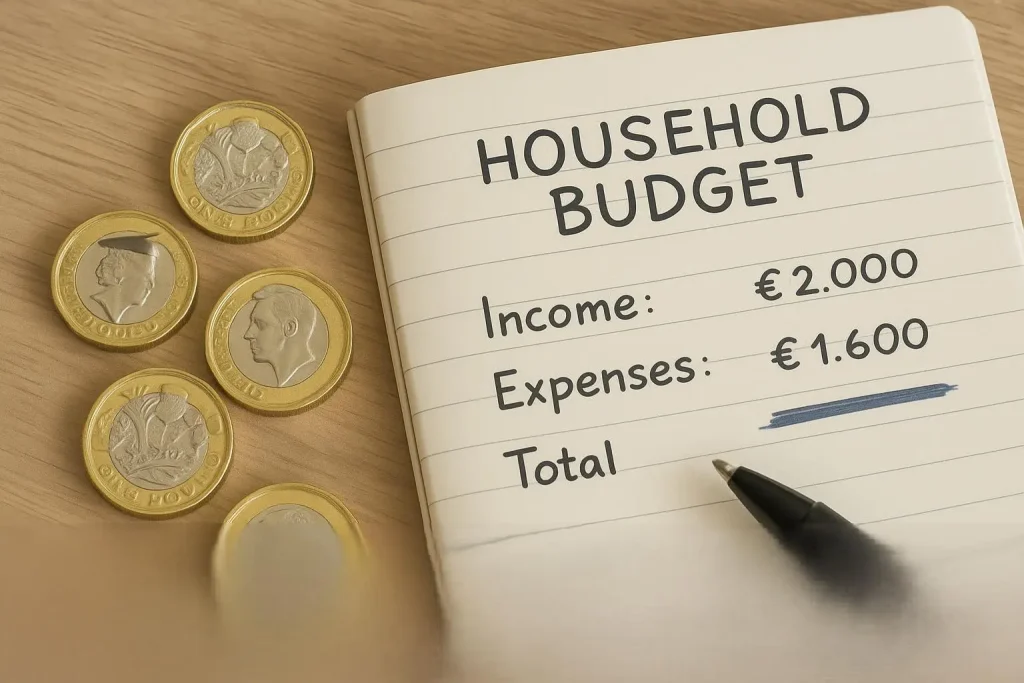
There is currently no confirmed amount for the cost of living payment 2026. However, earlier payments ranged from a few hundred pounds spread across the year, depending on circumstances.
In real terms, people often used these payments to help cover:
- Winter heating costs, especially in gas-heated terraced houses
- Part of an annual council tax bill
- A spike in energy direct debits during colder months
- Food and household essentials
It’s important to keep expectations realistic. Cost of living payments are generally designed as short-term relief, not a solution to long-term affordability challenges. The actual impact can vary widely depending on where you live — energy bills in a poorly insulated flat in the North East may look very different from those in a newer property in the South East.
Mini-summary: Any cost of living payment in 2026 would likely offer modest, temporary help rather than fully offset rising living costs.
How do Cost of living payments 2026 fit into the real cost of living in the UK?

To understand the value of a potential payment, it helps to place it against real UK expenses. Living costs vary significantly by region and lifestyle, but common pressure points include:
- Rent: A one-bed flat in Manchester or Bristol can take a large share of monthly income
- Energy: Winter heating remains a major concern, particularly for older homes
- Council tax: Charges depend on band and local authority
- Broadband and mobile: Faster fibre packages are now essential for work and study, but prices vary
For many households, a cost of living payment doesn’t reduce these bills permanently — it simply provides breathing room. Families might use it to clear an energy arrears balance, while students may rely on it to cover food during exam periods.
For those planning to move to the UK, these payments should be seen as occasional support, not something to build a budget around.
Mini-summary: Cost of living payments can ease short-term pressure, but everyday UK living costs still depend heavily on location, housing type, and personal circumstances.
Will there definitely be a cost of living payment in 2026?
At this stage, nothing is guaranteed. Cost of living payments are political and economic decisions, usually announced during fiscal events such as the Budget or Autumn Statement.
Factors that may influence a 2026 decision include:
- Inflation trends
- Energy market stability
- Employment levels
- Public finances
Historically, announcements were made relatively close to payment periods, so early speculation should be treated cautiously. Relying on official government updates remains the safest approach.
Mini-summary: A cost of living payment 2026 is possible but not confirmed; any decision will depend on the UK’s economic situation closer to the time.
Frequently Asked Questions about cost of living payment 2026
Is the cost of living payment 2026 confirmed?
No. As of now, there has been no official confirmation. Any future payment will be announced by the UK government.
Do you need to apply for Cost of living payments 2026?
Previously, most payments were made automatically to eligible people. If 2026 follows the same pattern, applications may not be required.
Will students receive a cost of living payment in 2026?
Students may qualify if they receive eligible benefits, but student status alone has not usually been enough.
Are cost of living payments taxable?
Historically, cost of living payments were not taxable and did not affect benefit caps, though this could change.
Can people moving to the UK qualify?
Eligibility generally depends on residency status and benefit entitlement, not nationality alone.
The cost of living payment 2026 has not yet been confirmed, but if introduced, it is likely to follow previous UK schemes. These payments are usually temporary, targeted at people on means-tested benefits, and paid automatically. The amount and eligibility would depend on economic conditions closer to 2026. Living costs still vary widely by region, housing type, and personal circumstances.
Final Thought
The cost of living payment 2026 refers to potential UK government financial support to help households manage rising expenses. While not yet confirmed, similar past payments were one-off or staged, targeted at people on certain benefits, and paid automatically. Any future payment would likely offer short-term relief rather than long-term financial support, with eligibility and amounts depending on economic conditions.
If you’re living in the UK or planning a move feel free to share your own experience of managing living costs or what kind of support would make the biggest difference for you.