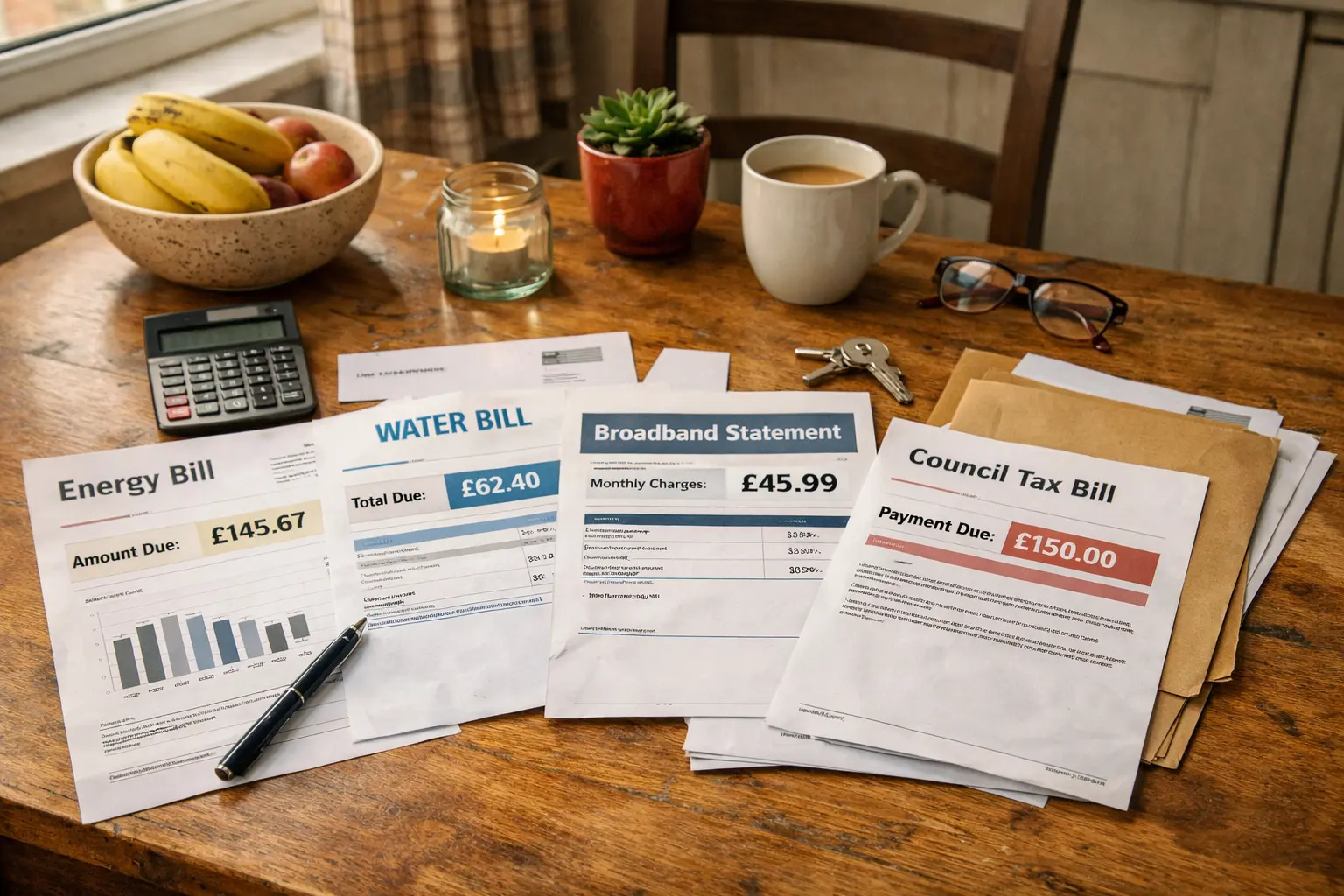
Most people only realise how much house bills cost when all of them land at once — the energy bill, the council tax reminder, the water statement, the broadband renewal, and that small subscription you completely forgot about. It’s usually in that moment you find yourself asking the same question thousands of people in the UK ask every month:
“How much are house bills per month in the UK?”
It sounds like a straightforward question, yet the answer depends heavily on where you live, the type of home you’re in, how many people share it, and how you use energy. This guide breaks everything down clearly so you can understand what most households actually pay, why costs vary, and what you can realistically expect.
This article is for information purposes only. House bills can vary widely depending on location, household habits, and changes in tariffs throughout the year.
House bills per month in the UK typically range from £300 to £520, covering essentials such as electricity, gas, water, council tax, broadband and TV licence. The exact amount varies depending on location, property size, energy efficiency, number of occupants and seasonal usage changes.
What Do House Bills per Month Include in the UK?
When we talk about “house bills per month”, we’re referring to the essential running costs of a home In the UK, the main recurring bills usually look like this:
- Electricity and gas (energy)
- Water and wastewater
- Council tax
- Broadband / home internet
- TV licence
- Streaming services and small subscriptions
Every household is different, but these are the core bills almost everyone pays.
Summary:
House bills per month cover the basic utilities and mandatory charges required to run a home in the UK.
How Much Are House Bills per Month in the UK on Average?
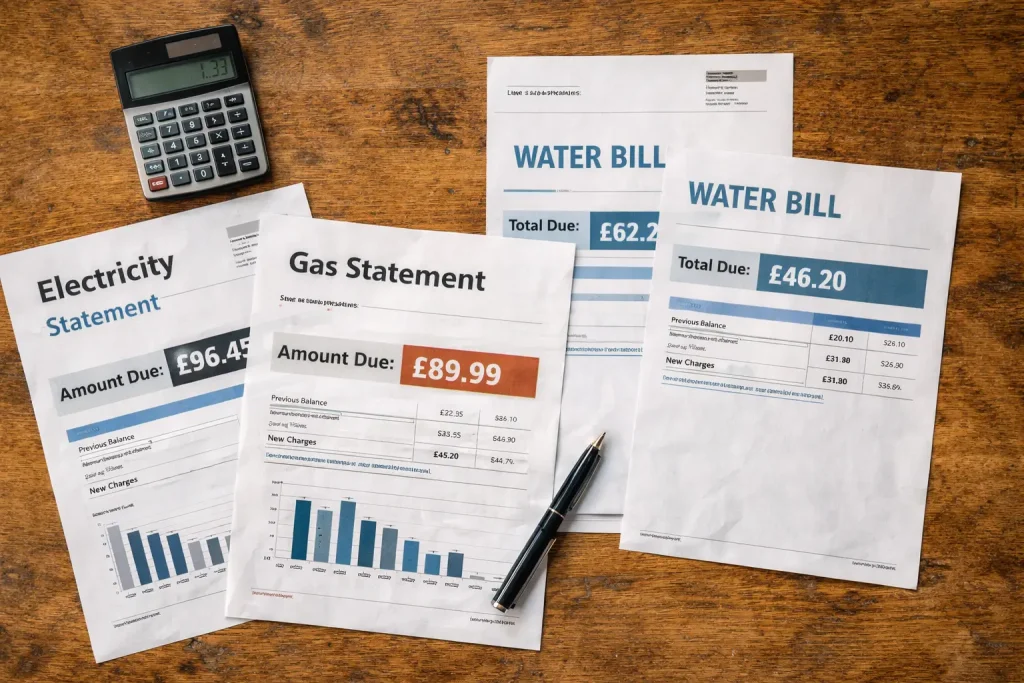
From what I’ve seen, people usually estimate individual bills correctly but underestimate the total. When everything is added up, the monthly figure can be surprising.
Here’s a realistic estimate based on typical UK households:
| Bill Type | Monthly Average (Approx.) |
|---|---|
| Electricity & Gas | £120 – £220 |
| Water | £25 – £45 |
| Council Tax | £120 – £200 |
| Broadband | £25 – £40 |
| TV Licence | £13.25 |
| Subscriptions | £10 – £40 |
This is a general guide. Actual bills may be higher or lower depending on your region, property type, insulation, number of occupants, and seasonal energy usage. Prices can also change depending on market conditions and supplier tariffs.
Summary:
Most UK households pay between £300 and £520 per month on essential bills.
Why Do House Bills Vary So Much Across the UK?
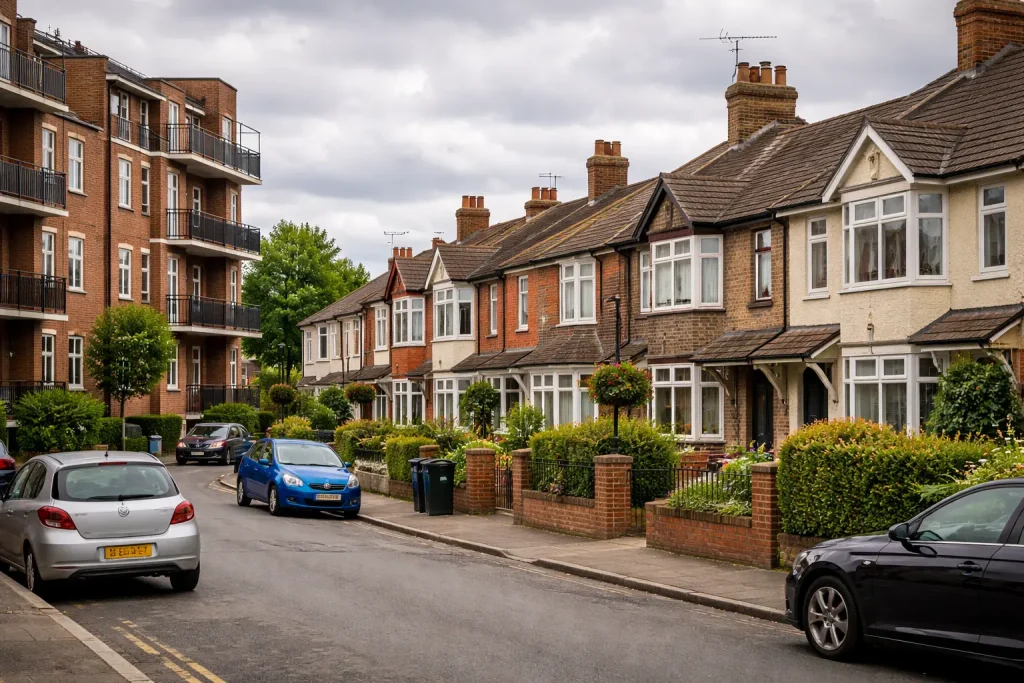
If you’ve ever compared your bills with a friend or neighbour, you might have noticed they’re rarely the same — even in similar homes.
The key factors influencing house bills in the UK include:
• Location
Council tax bands vary. London and the South East are generally more expensive.
• Property type
A detached house costs more to heat than a small flat.
• Insulation & energy efficiency
Poor insulation and older boilers increase energy bills.
• Number of occupants
More people = more water, heating, cooking, devices.
• Tariffs and suppliers
Fixed-rate vs variable-rate plans make a noticeable difference.
• Seasonal changes
Winter bills are usually significantly higher.
Summary:
No two homes have identical bills because usage patterns, home sizes, and regional tariffs differ widely.
How Can You Reduce Your Monthly House Bills?
Cutting down house bills isn’t impossible — it just requires small, realistic adjustments rather than extreme measures. Many of the best savings come from habits rather than big investments.
1. Improve energy efficiency
- Swap to LED bulbs
- Draught-proof windows and doors
- Upgrade old appliances gradually
2. Use a smart thermostat
It helps avoid unnecessary heating during the hours you’re not home.
3. Compare tariffs regularly
Energy, broadband and mobile providers often have cheaper deals for new customers.
4. Cancel unused subscriptions
Streaming services are small individually but add up quickly.
5. Wash clothes at lower temperatures
A simple change that noticeably reduces energy use.
Summary:
Savings usually come from consistent, practical adjustments rather than drastic lifestyle changes.
Common Mistakes People Make with House Bills
In the UK, some mistakes come up again and again when budgeting for monthly bills:
- Ignoring council tax – yet it’s often the largest single bill.
- Using winter energy consumption to estimate the whole year – which inflates expectations.
- Not reviewing broadband contracts – many people stay on old, more expensive tariffs.
- Leaving devices plugged in constantly – small, but continuous waste.
- Misjudging water usage in larger households – usage grows faster than people expect.
Summary:
The biggest budgeting errors happen when people fail to review or update their bills regularly.
Who Needs to Pay the Closest Attention to House Bills per Month?

House bills affect everyone, but certain groups feel the impact more directly:
- New renters
- First-time buyers
- Students living away from home
- People living alone
- Families with growing children
- Anyone with a fixed or limited income
For these groups, accurate budgeting can prevent unexpected financial pressure.
Summary:
Understanding house bills is especially important for households with tight budgets or new living arrangements.
House bills per month in the UK usually include energy, water, council tax, broadband and the TV licence. Most households spend between £300 and £520 each month, though costs vary based on region, property size and usage habits. Seasonal changes, tariff differences and insulation quality also affect final costs. Careful budgeting and small efficiency improvements can help keep bills manageable.
Final Thoughts
Every home tells a different story — and so do its bills.
What you pay each month depends on the way you live, the home you’re in and how you manage your energy use.
How much do your monthly house bills come to?
If you’d like, share your experience below. Your insight might help someone else plan their budget more realistically.