
Understanding average monthly expenses in the UK is one of the most important steps for anyone planning to live, study, or settle there. Whether you are an expat, an international student, or a family relocating long-term, knowing what people actually spend each month helps you avoid surprises and plan realistically.
This guide explains what “average monthly expenses in the UK” really means, why costs vary so widely, and how much you should expect to spend in 2026 depending on your lifestyle and location. Instead of throwing numbers at you without context, it explains why those numbers look the way they do and what affects them.
What Does “Average Monthly Expenses in the UK” Really Mean?
When people talk about average monthly expenses in the UK, they usually mean the typical ongoing costs required to live a normal life, excluding one-off purchases like furniture, visa fees, or relocation costs.
These monthly living costs in the UK generally include:
- Rent or housing costs
- Utility bills and council tax
- Food and groceries
- Transportation
- Internet, mobile, and subscriptions
- Healthcare-related expenses and basic essentials
An “average” is not a promise. It is a reference point. Some people live comfortably below it; others exceed it easily. Your actual UK monthly expenses depend on where you live, how you live, and who you live with.
Why Monthly Expenses Vary So Much in the UK
The cost of living in the UK is not uniform. Two households earning the same income can have very different monthly expenses.
Location matters more than anything else
London is dramatically more expensive than most other UK cities. Housing, transport, and childcare costs can be double those of northern England or parts of Wales.
Lifestyle choices shape spending
Eating out frequently, owning a car, private healthcare, or premium gyms all raise monthly living costs in the UK. A simpler lifestyle reduces them significantly.
Household size changes everything
A single person pays proportionally more for rent and utilities. Couples and families benefit from shared costs but face higher food, transport, and childcare expenses.
Housing & Rent
What people typically pay
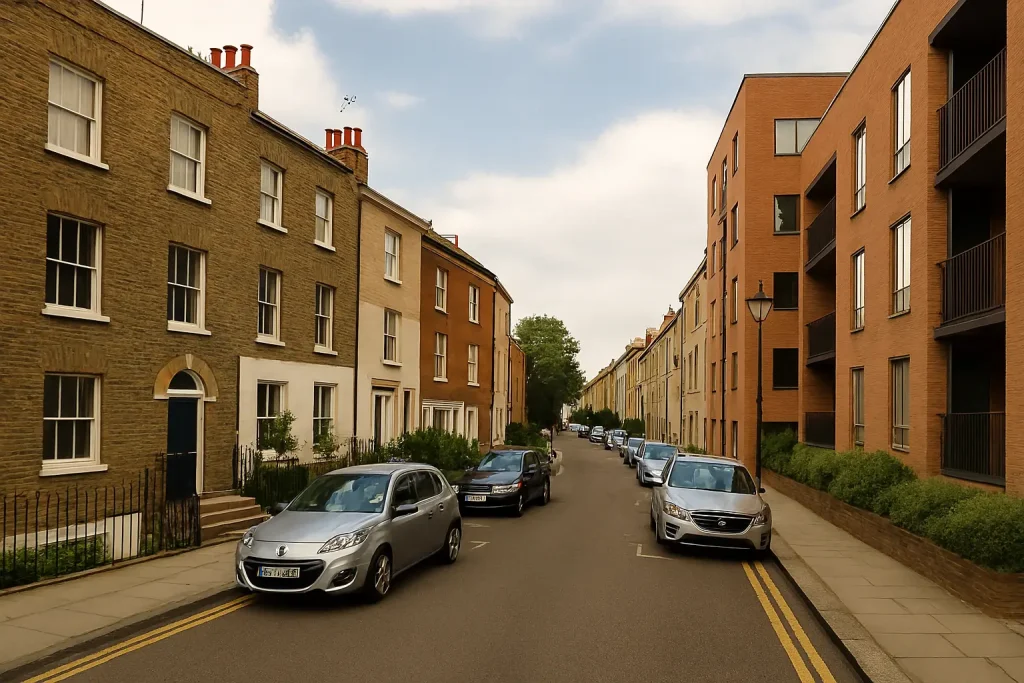
Housing is the largest part of UK monthly expenses for most households.
- London: £900–£1,500 for a one-bedroom flat (renting alone)
- Large cities (Manchester, Birmingham, Leeds): £650–£1,000
- Smaller cities and towns: £500–£850
- House shares: £400–£750 depending on location
Why costs differ
Rent is driven by demand, job availability, and transport links. Areas close to train stations, universities, or business districts command higher prices. London’s housing shortage continues to push rents up faster than wages.
For families, renting a two- or three-bedroom property significantly increases monthly living costs in the UK, especially in the South East.
Utilities & Council Tax
What people typically pay
Utilities and council tax are unavoidable and often underestimated.
- Gas & electricity: £90–£160
- Water: £25–£40
- Council tax: £120–£220 (varies by property band and council)
Average total: £240–£400 per month
Why costs differ
Older properties with poor insulation cost more to heat. Council tax depends on property value and local authority rates, not your income. Single occupants can apply for a 25% council tax discount, which makes a noticeable difference.
Energy prices fluctuate, so budgeting at the higher end is safer.
Food & Groceries
What people typically pay
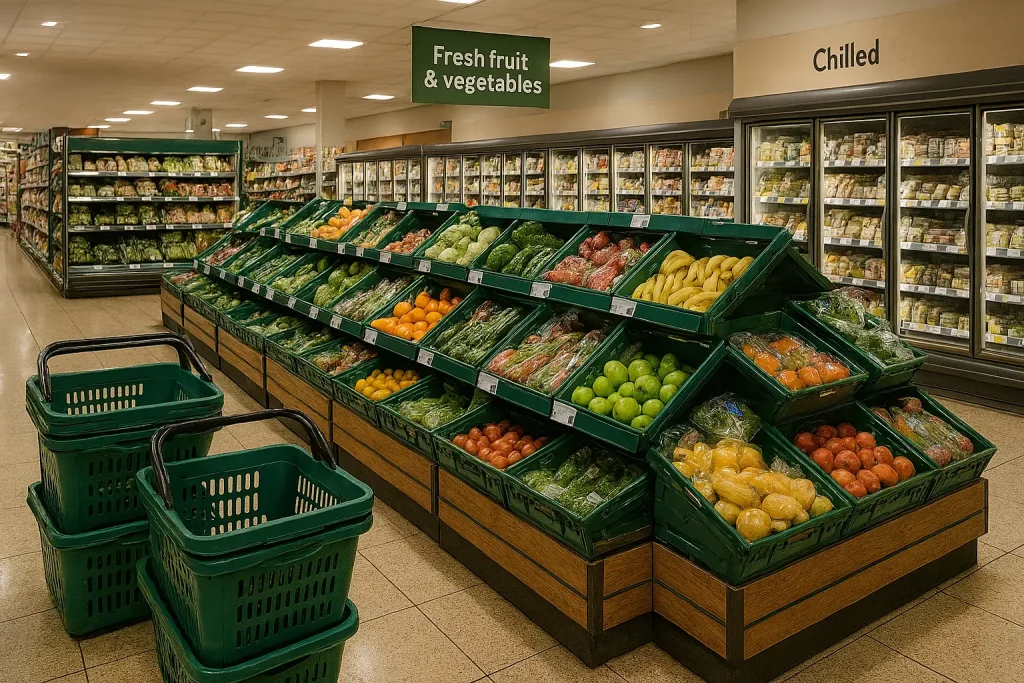
Food spending varies widely depending on shopping habits.
- Single person: £180–£300
- Couple: £320–£450
- Family of four: £450–£650
This assumes mostly supermarket shopping with occasional eating out.
Why costs differ
Shopping at discount supermarkets (Aldi, Lidl) versus premium chains (Waitrose, M&S) changes monthly food costs dramatically. Cultural food preferences also matter—imported or specialty foods raise grocery bills.
Eating out regularly is one of the fastest ways UK monthly expenses increase without people noticing.
Transportation
What people typically pay
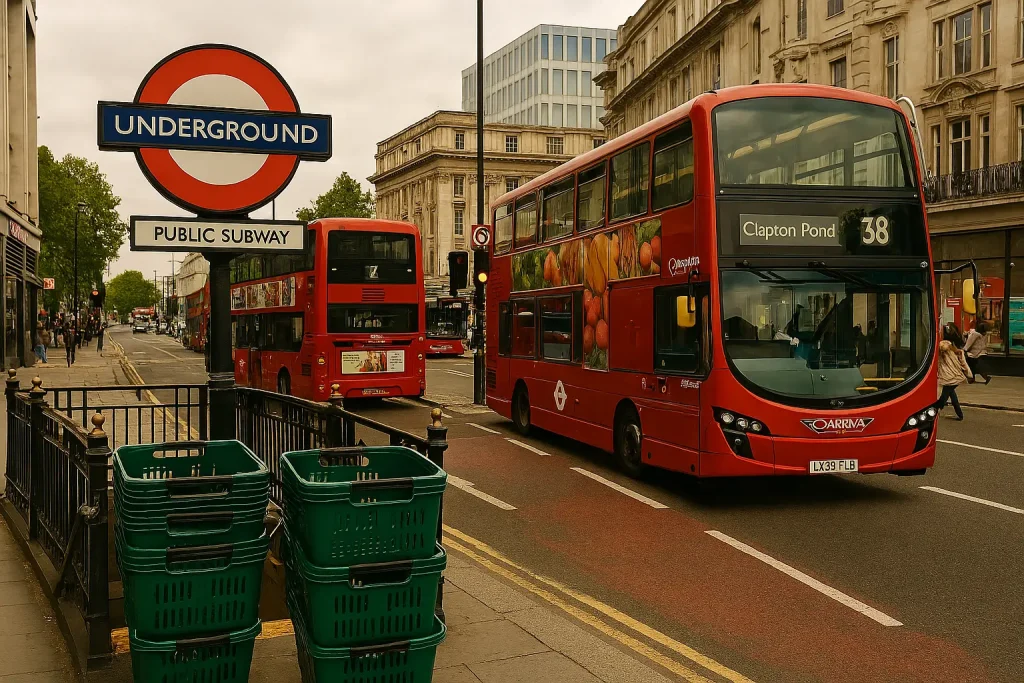
Transport costs depend on whether you live in a city and whether you own a car.
- Public transport (city): £80–£160
- London monthly travelcard: £160–£220
- Car ownership: £250–£450 (fuel, insurance, tax, maintenance)
Why costs differ
London public transport is expensive but comprehensive. In smaller cities, buses are cheaper but less frequent, and many people rely on cars. Insurance costs vary by postcode, age, and driving history.
Living close to work or studying remotely can dramatically reduce monthly living costs in the UK.
Internet, Mobile & Subscriptions
What people typically pay
This category is relatively stable across the country.
- Home internet: £25–£40
- Mobile phone: £10–£30
- Streaming & subscriptions: £10–£40
Average total: £50–£100 per month
Why costs differ
New customers often get cheaper broadband deals. Long contracts and bundled services can raise costs quietly over time. Many households pay for subscriptions they rarely use.
Healthcare & Other Essentials
What people typically pay
Most healthcare in the UK is free through the NHS, but not everything is covered.
- Prescriptions: £9.90 per item (England only)
- Dental & optical: £15–£60+
- Toiletries & household items: £40–£80
Average total: £60–£150 per month
Why costs differ
Scotland, Wales, and Northern Ireland offer free prescriptions. Private dental care or faster private treatment increases costs but is optional for most people.
London vs Other UK Cities: A Clear Comparison
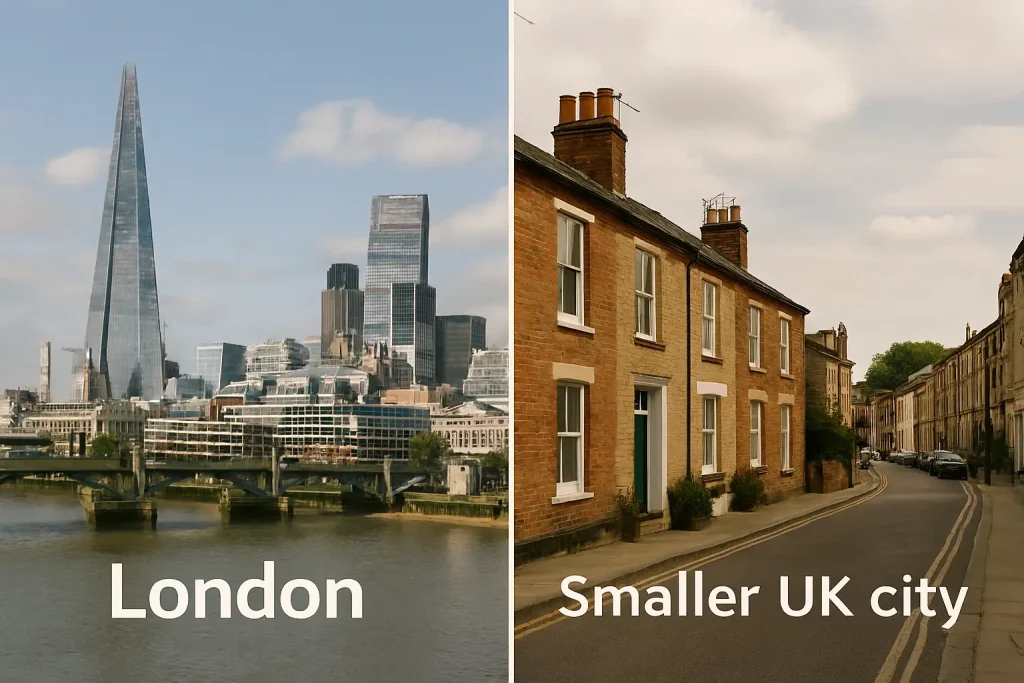
London reshapes the entire UK budget guide conversation.
London
- Higher rent and council tax
- Expensive transport
- More job opportunities but higher daily costs
Average monthly expenses in London (single person): £1,800–£2,400
Other major cities
Manchester, Leeds, Birmingham, Sheffield:
- Lower rent
- Cheaper transport
- Strong job markets
Average monthly expenses (single person): £1,200–£1,600
Smaller towns
- Lowest housing costs
- Car often necessary
- Limited job options
Average monthly expenses (single person): £1,000–£1,300
Example Monthly Budgets (2026)
Single Person (Outside London)
- Rent: £750
- Utilities & council tax: £300
- Food: £220
- Transport: £120
- Internet & mobile: £60
- Other essentials: £100
Total: ~£1,550 per month
Couple (Outside London)
- Rent: £950
- Utilities & council tax: £350
- Food: £400
- Transport: £200
- Internet & mobile: £80
- Other essentials: £150
Total: ~£2,130 per month
Family of Four (Outside London)
- Rent: £1,200
- Utilities & council tax: £450
- Food: £600
- Transport: £300
- Internet & mobile: £100
- Other essentials: £250
Total: ~£2,900 per month
London families should expect significantly higher totals, mainly due to rent and childcare.
How to Reduce Monthly Expenses in the UK
Reducing UK monthly expenses is more about habits than sacrifice.
- Choose location carefully—rent savings outweigh most other costs
- Share accommodation when possible
- Use price comparison sites for utilities and insurance
- Shop at discount supermarkets consistently
- Review subscriptions twice a year
- Use public transport or cycle in cities
Small decisions compound quickly in the UK cost of living.
Final Thoughts
Understanding average monthly expenses in the UK is not about chasing a perfect number. It is about knowing the structure of UK living costs and how your choices shape them.
For most people in 2026, monthly living costs in the UK are manageable with planning, especially outside London. The UK remains attractive for its healthcare system, public infrastructure, and work opportunities—but it rewards informed budgeting.
If you approach the move with realistic expectations and a clear UK budget guide, the cost of living in the UK becomes predictable rather than stressful.