

Often called the unofficial capital of Northern England, Manchester has become one of the UK’s fastest-growing cities. With major employers, universities, and a thriving cultural scene, it attracts everyone from young professionals to families.
But one key question remains: is Manchester actually expensive to live in?
The short answer — it depends on your lifestyle. While costs have increased in recent years, Manchester is still noticeably cheaper than London and much of the South East.
Here’s a realistic breakdown of what you can expect to spend in 2026.
📊 Average Monthly Living Costs (Without Rent)
Your personal spending will vary depending on lifestyle and household size, but typical monthly expenses look like this:
- Single person: £850 – £1,050
- Couple: £1,400 – £1,800
- Family of four: £2,800 – £3,200
These estimates include groceries, transport, utilities, and general day-to-day spending.
🏠 Rent & Housing Costs in Manchester (2026)
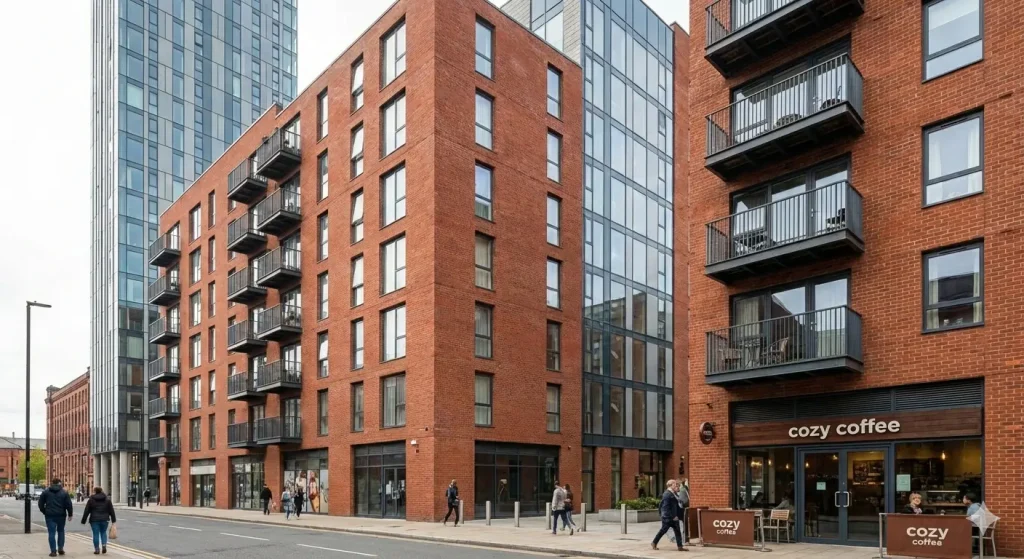
Accommodation will usually be your biggest expense. Prices vary depending on the area, property size, and proximity to the city centre. Central neighbourhoods such as Deansgate, Ancoats, and the Northern Quarter tend to be the most expensive, while suburbs like Didsbury, Chorlton, and Sale offer better value.
Here’s an overview of average monthly rents:
| Property Type | City Centre | Outside Centre (Suburbs) |
|---|---|---|
| 1-Bedroom Apartment | £1,100 – £1,400 | £750 – £950 |
| 2-Bedroom Apartment | £1,500 – £1,900 | £1,000 – £1,250 |
| 3-Bedroom House | £2,200+ | £1,300 – £1,600 |
Tip: Areas such as Stockport, Prestwich, and Salford often provide more affordable housing while maintaining strong transport connections to the city centre.
⚡ Utilities & Household Bills
Beyond rent, you’ll need to budget for essential monthly bills:
- Council Tax: £100 – £150 (Band A–B typical flats)
- Gas & Electricity: £120 – £160 for a 2-bed home
- Internet: £30 – £45
- Water: £30 – £40
Single occupants usually receive a 25% council tax discount, which can significantly reduce costs.
🚌 Transport Costs in Manchester
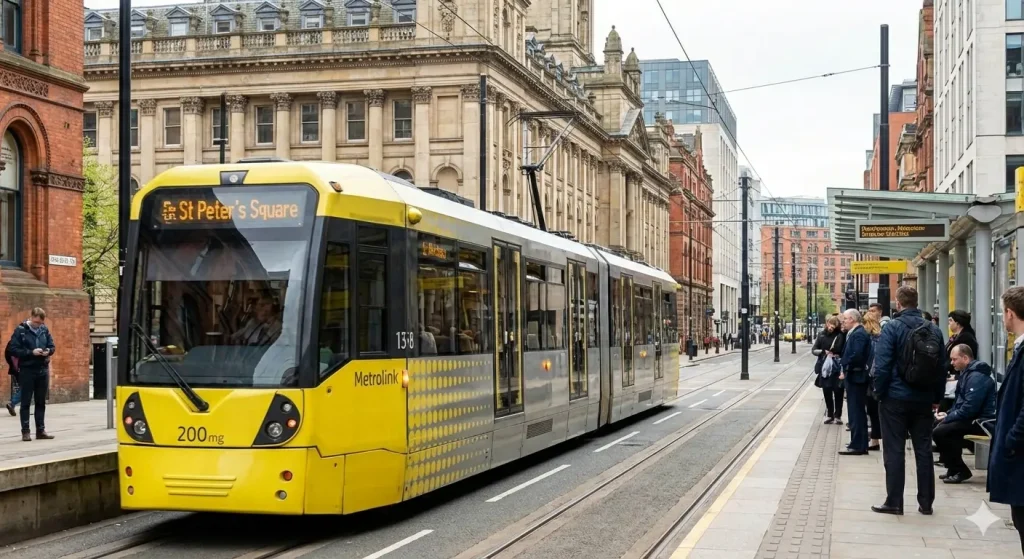
Manchester has a well-developed public transport system including buses, Metrolink trams, and regional trains. Compared to London, commuting is generally more affordable and often quicker.
Typical transport costs include:
| Transport Type | Average Cost | Notes |
|---|---|---|
| Bus (Single Fare) | £2.00 | Bee Network capped fare across Greater Manchester |
| Metrolink Monthly Pass (Zones 1–2) | £114 | Ideal for city travel |
| Metrolink Monthly Pass (Zones 1–4) | £156 | Covers most of Greater Manchester |
| Taxi (15-minute journey) | £8 – £15 | Typical Uber or Bolt fare |
Note: Manchester city centre is very walkable. If you live close to work, you may not need to rely heavily on public transport.
🛒 Food & Grocery Costs

Grocery prices in Manchester are broadly similar to the UK average, although your choice of supermarket can make a noticeable difference. Discount chains such as Aldi and Lidl are considerably cheaper than premium options like Waitrose or Marks & Spencer.
Typical prices:
- Milk (1L): £1.10
- Bread: £1.20
- Eggs (12): £3.30
- Chicken fillets (1kg): £6.50
- Local cheese (1kg): £7.00
Eating out:
- Casual restaurant meal: £15 – £20
- Three-course meal for two: £60 – £80
- Pint of beer: £5 – £6
Manchester has a strong food scene, so it’s easy to spend more if you dine out frequently.
⚖️ Manchester vs London: Cost Comparison
One of Manchester’s biggest advantages is affordability compared to the capital.
On average:
- Rent is around 45–55% cheaper
- Transport costs are significantly lower
- Overall living expenses are lower for a similar lifestyle
Many people relocate north specifically to improve their quality of life while reducing monthly expenses.
📍 FAQs about Living in Manchester
Is Manchester cheaper than London?
Yes, rent in Manchester is typically 45-55% lower than in London, and transport costs are significantly cheaper.
What is a good salary to live in Manchester?
A salary between £28,000 and £35,000 allows for a comfortable lifestyle for a single person renting outside the city centre.
Which areas are best for families?
Suburbs like Didsbury, Chorlton, and Sale are popular for families due to their parks, schools, and safety.
📝 Final Thoughts: Is Manchester Worth It?
Manchester offers a balance that’s hard to find elsewhere in the UK — big-city opportunities without London-level costs. Although rents have increased in recent years, the city still provides good value, especially for professionals and families seeking affordability alongside career opportunities.
For many residents, Manchester continues to offer one of the best lifestyle-to-cost ratios in the UK in 2026.