
Split ticketing is still one of the simplest ways to cut UK rail costs in 2026—often without changing trains. But not every app finds the same splits, and some savings get quietly eaten up by booking fees. This guide pulls together what people actually want when they search “best split ticketing apps UK 2026 reviews”: which apps are genuinely worth using, which are easiest, and which are most likely to deliver the lowest total price.
Below you’ll find a practical comparison, clear pros/cons, and real-world tips so you can pick the best split ticket app for your trips—fast.
Quick comparison: best split ticket app picks (2026)
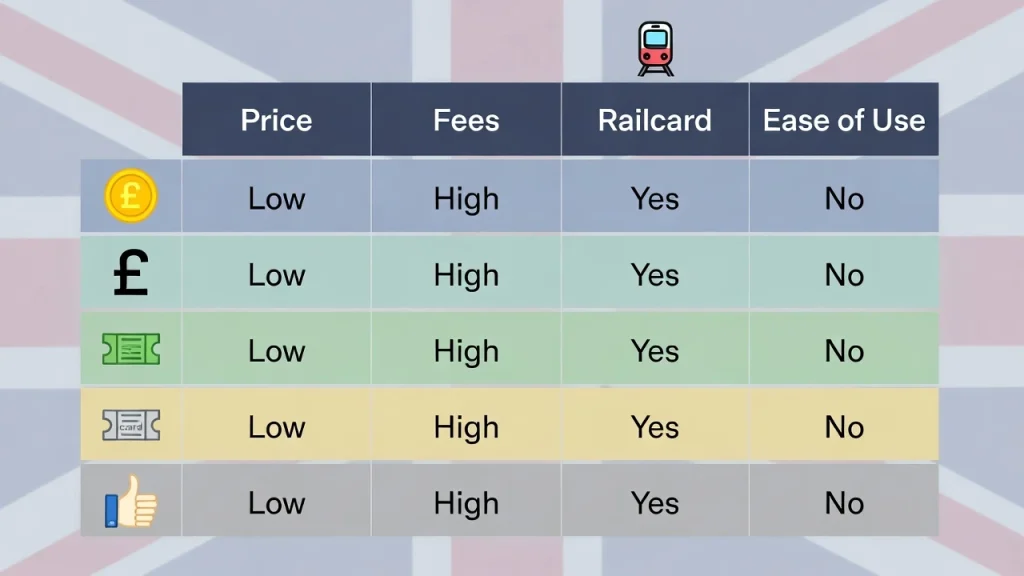
Best overall (balance of price + usability): TrainPal
Best for zero booking fees: Northern / LNER / GWR (operator apps)
Best for hands-off split checking: Split My Fare (when it’s available for your route)
Best “do it all” mainstream experience: Trainline (convenient, but watch fees)
If you’re searching for the best train ticket split app, you’ll usually be choosing between “finds the cheapest splits” and “smoothest experience with fewer add-on costs”.
What matters (and what competitors often gloss over)
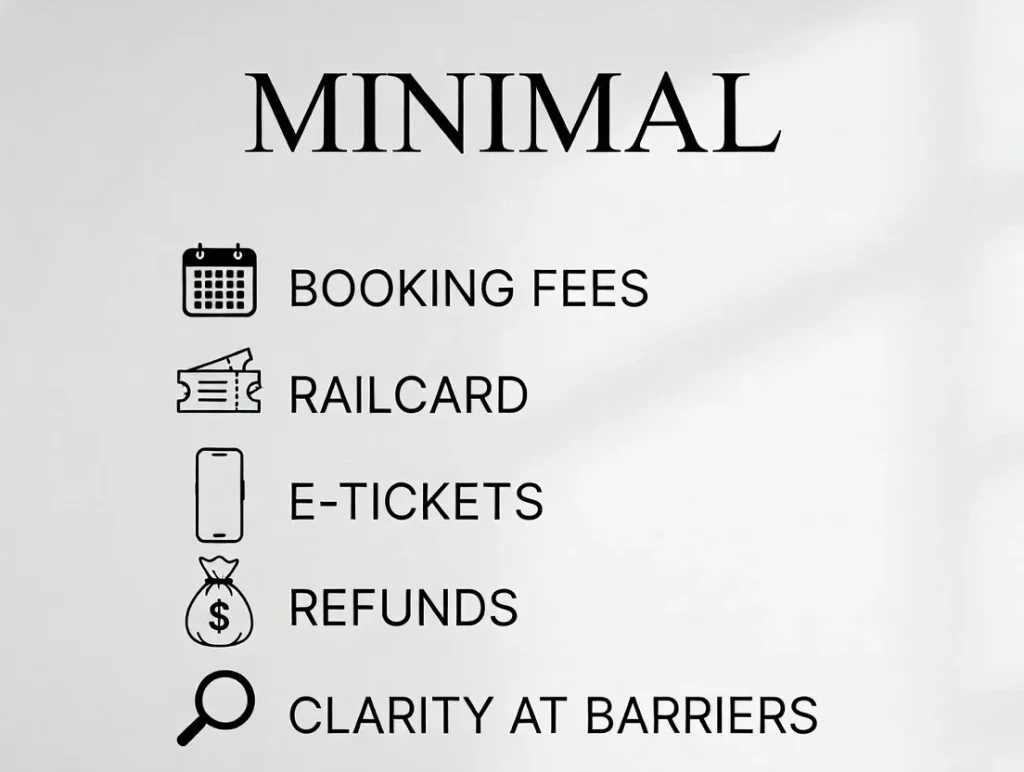
Many “top split ticketing app” lists focus on headline savings, but miss the details that change the final cost and convenience:
- Total price after fees (booking fees, card fees, “split-finding” commissions)
- Railcard support across all split legs (16–25, Two Together, Family & Friends, etc.)
- E-tickets vs collection (e-tickets reduce hassle when you have multiple split tickets)
- Clarity at barriers/on-board (apps that clearly show all tickets for your journey win)
- Refunds/changes (especially if your plans might change)
This is where a “cheap” app can stop being the best app for splitting train tickets in real life.
Best split ticketing apps UK 2026 reviews (top options)
1) TrainPal – strong split results + modern app experience
Why it’s popular: TrainPal has built a reputation for aggressively searching splits and presenting them clearly. It’s often a top contender for the best split ticket app if you want a simple “search → buy” flow with frequent split options.
Pros
- Often finds competitive splits on common intercity routes
- App experience is clean and easy for occasional travellers
- Railcard support is generally straightforward
Cons
- Always check the final price screen (fees/promos vary)
- Split availability depends on route and inventory (like every app)
Best for: commuters and frequent travellers who want strong savings without too much manual effort.
2) Trainline – easiest mainstream option (but compare totals)
Trainline remains the “default” app many people already have installed. It can show split tickets on certain routes and is extremely convenient, which is why it’s often mentioned as the best app for splitting train tickets—but that’s not always true once you include fees.
Pros
- Very polished UX, quick rebooking, strong disruption info
- Widely used and familiar
- Good for managing tickets in one place
Cons
- Booking fees can reduce/erase split savings on cheaper journeys
- Sometimes another app/operator site is cheaper for the same train
Best for: convenience-first travellers who don’t mind paying a little more for a smoother experience.
3) Split My Fare – good when you want “done for you” split logic
Split My Fare is known for taking a “we’ll find splits automatically” approach. Where it works well, it can feel like the best train ticket split app because you don’t have to think.
Pros
- Strong automation: minimal effort to get split options
- Good for longer journeys where splits matter more
Cons
- May charge a share/fee for savings depending on the booking
- Coverage and results vary by route/time
Best for: longer, expensive routes where saving £20–£80 is realistic and worth a small fee.
4) Operator apps (LNER, GWR, Avanti, Northern, etc.) – best for no booking fees
This is the tactic many competitor articles mention too briefly: sometimes the best “split ticketing app” is… an operator app that doesn’t charge booking fees. Operator apps may not always push split tickets as hard, but you can still win by paying less in fees.
Pros
- Typically no booking fee
- Direct relationship for refunds/support
- Reliable e-tickets on many routes
Cons
- Split-ticket discovery can be weaker than dedicated split-focused apps
- Not always the best UI for comparing multiple options
Best for: budget-focused travellers doing shorter/medium trips where fees matter.
A simple “do this every time” method (to beat most people’s savings)
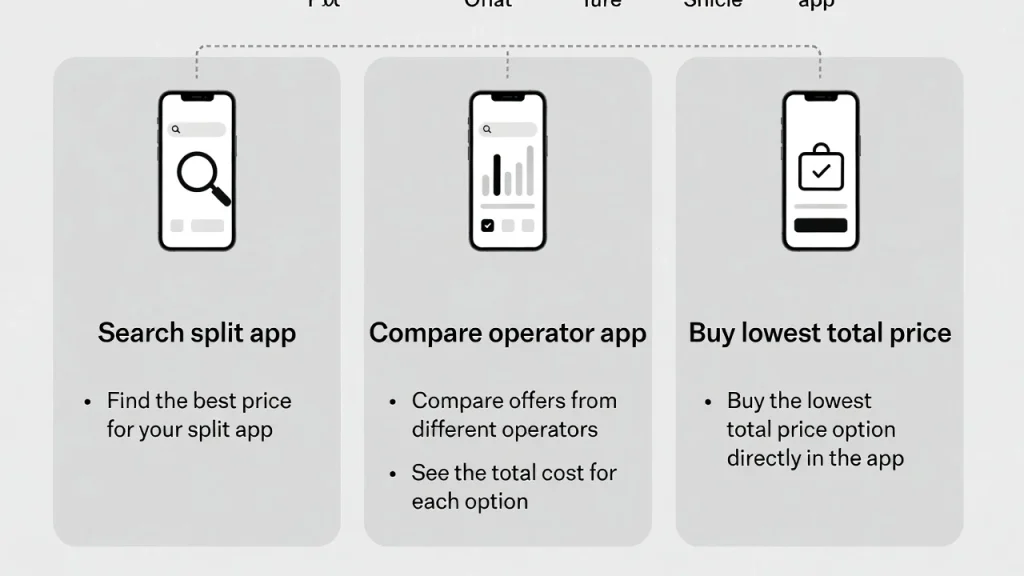
If you want consistently good results in 2026:
- Search your journey in TrainPal (or Split My Fare)
- Then check the same train time in an operator app (e.g., LNER/GWR)
- Buy wherever the total checkout price is lower (including fees)
This 2-minute routine usually beats relying on one app alone—and it’s how you’ll actually land the best split-ticket value.
FAQ (what UK travellers are really asking)
Is split ticketing legal in the UK?
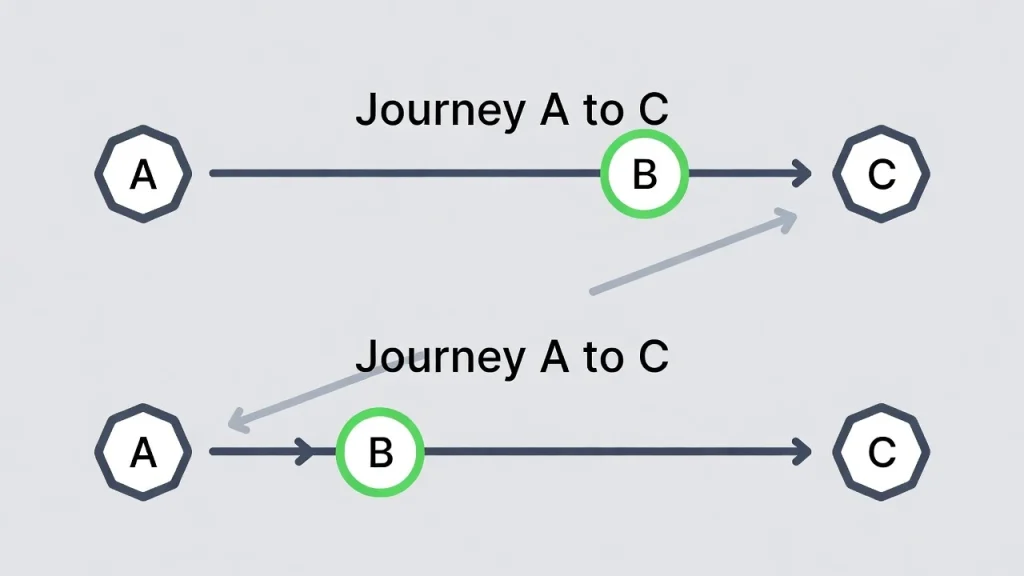
Yes. Split ticketing is allowed as long as the train stops at the split stations (you usually don’t need to change trains).
Do I need to get off the train at the split station?
No—if the train stops there. You just need valid tickets covering the whole journey.
What if there’s disruption and I miss a connection?
If you’re staying on the same train, it’s usually straightforward. If you are changing trains, disruption rules can get nuanced—keep evidence and check the retailer/operator guidance.
Can I use a Railcard with split tickets?
Usually yes, but make sure the Railcard is applied to every leg of the split.
Final takeaway: which is the best split ticket app in 2026?
For most people looking for best split ticketing apps UK 2026 reviews, the practical winner is the app that gives you the lowest final price with the least hassle. In many cases that’s TrainPal (strong split discovery) or an operator app (no fees), with Trainline as the convenience pick.
If you tell me your typical route (e.g., Manchester–London, Leeds–Edinburgh) and whether you have a Railcard, I can recommend the best app for splitting train tickets specifically for your journeys.